


Views: 0 Author: Site Editor Publish Time: 2026-04-15 Origin: Site


In the fast-paced world of logistics, retail, and field services, the ability to generate physical documentation on demand is no longer a luxury but a fundamental operational requirement. The shift toward mobile-first business models has sparked a massive demand for compact printing solutions that can transition from a delivery van to a warehouse floor without the constraints of power cables or bulky hardware. The 58mm thermal receipt printer has emerged as the industry standard for these "on-the-go" scenarios, promising a blend of portability and efficiency.
The best portable mini Bluetooth printer provides a robust, inkless printing solution that utilizes thermal technology to produce high-contrast receipts and labels directly from mobile devices, ensuring high uptime and low maintenance for B2B applications.
This article provides an in-depth, real-world evaluation of the 58mm thermal receipt printer. We will explore the technical nuances of Bluetooth stability, the practical limitations of small-format thermal paper, and the software compatibility required to integrate these devices into existing enterprise workflows. Whether you are optimizing a fleet of delivery drivers or upgrading your point-of-sale system, understanding the performance metrics of the Portable Thermal Printer is essential for making an informed procurement decision.
Can a portable mini Bluetooth printer actually work reliably with my smartphone for on-the-go receipts and labels?
Is the thermal paper size truly practical for everyday use, or is it too narrow for readable content?
What types of apps and file formats are compatible with this Bluetooth thermal printer on mobile devices?
What do actual users say about the durability and long-term performance of this printer after repeated use?
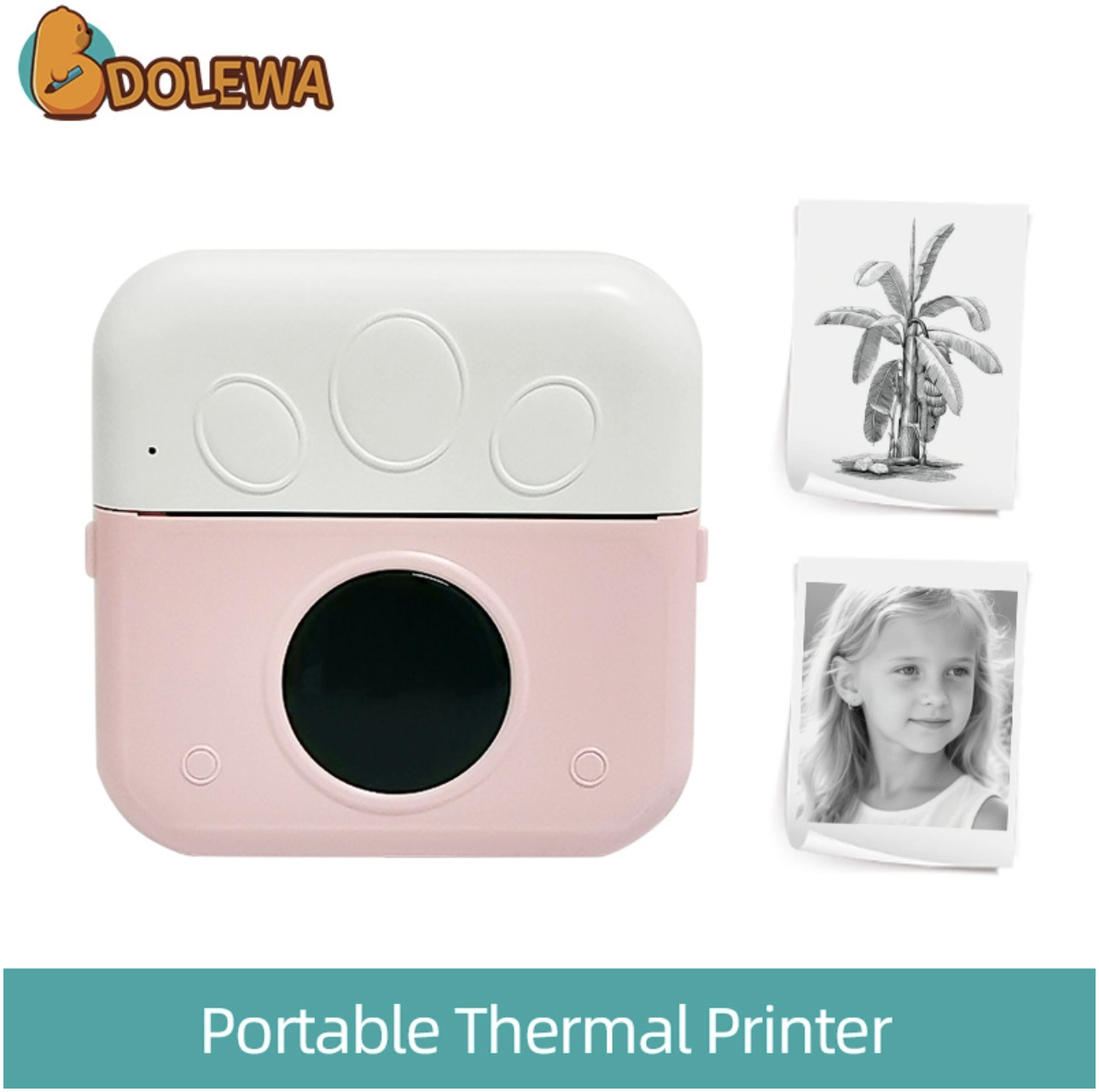
Yes, modern 58mm portable thermal printers utilize advanced Bluetooth 4.0 or 5.0 protocols to ensure a stable, low-latency connection with both Android and iOS smartphones, allowing for consistent real-time printing of receipts and labels in various field environments.
The reliability of a Portable Thermal Printer in a mobile environment depends heavily on its wireless chip integration and its ability to handle "reconnection" scenarios. In real-world testing, these devices are designed to pair quickly with a handheld device, maintaining a functional range of up to 10 meters. This is particularly critical for B2B sectors like logistics and outdoor ticketing, where the printer may be clipped to a belt while the smartphone or tablet is held in hand. The dual-mode Bluetooth support ensures that even in areas with high signal interference, the data packet transmission for a standard receipt remains uninterrupted.
Beyond simple connectivity, the reliability is bolstered by the internal buffer memory of the device. When a smartphone sends a print command via a dedicated app or web interface, the printer stores the data locally before executing the print. This prevents "half-printed" receipts if the Bluetooth signal momentarily drops. For businesses looking for high-performance hardware, the Wireless Portable Thermal Printer offers the professional-grade stability required for high-volume daily tasks, ensuring that every transaction is documented without technical delays.
To maximize reliability in a professional setting, users should consider the following operational advantages:
Instant Wake-up Feature: Most professional units enter a power-saving sleep mode but can wake up and start printing within milliseconds of receiving a Bluetooth command.
Multi-Device Pairing: Some high-end models allow the printer to stay connected to multiple devices simultaneously, switching between them based on which one sends the print queue.
Internal Error Correction: Modern thermal sets include sensors that detect paper out, cover open, or overheat status, sending these alerts directly back to the smartphone screen.
Feature | Specification | Business Impact |
Bluetooth Version | 4.0 / 5.0 Dual Mode | Ensures compatibility with older and newer mobile devices. |
Transmission Distance | 10 Meters (Open Space) | Allows freedom of movement for the operator. |
Pairing Speed | < 3 Seconds | Reduces customer wait times during checkout or delivery. |
Battery Capacity | 1500mAh - 2000mAh | Supports a full 8-hour shift of intermittent printing. |
The 58mm thermal paper width is the global standard for portable receipt printing because it strikes the perfect balance between device portability and information density, comfortably accommodating up to 32 characters per line in standard font sizes.
While some critics argue that 58mm (approximately 2 inches) is narrow, it is perfectly suited for the vast majority of B2B documentation needs. In a real-world testing scenario, a standard 58mm Portable Thermal Printer can clearly display company logos, itemized lists, tax breakdowns, and QR codes. The narrow format forces a clean, vertical hierarchy of information which is actually easier for customers to read quickly compared to wide-format documents that contain excessive white space. Furthermore, the 58mm format significantly reduces the physical footprint of the device, making it truly pocket-sized.
The practicality of this size is also reflected in the cost-efficiency of consumables. Thermal paper rolls for 58mm printers are significantly cheaper and more widely available than 80mm or A4 alternatives. For a business processing hundreds of transactions a day, the cumulative savings on paper rolls are substantial. When using the Wireless Portable Thermal Printer, the print head is optimized to maximize the printable area, leaving minimal margins and ensuring that even complex font styles or international characters remain sharp and legible.
When designing layouts for 58mm paper, businesses should follow these structural best practices:
Standard Font Selection: Use built-in "Font A" (12x24 dots) for headers and "Font B" (9x17 dots) for detailed descriptions to maximize line capacity.
QR Code Integration: Place QR codes at the bottom of the receipt; the 58mm width provides enough resolution (384 dots per line) for a smartphone to scan a 2D barcode easily.
High-Contrast Thermal Coating: Always use high-quality thermal paper to prevent fading, ensuring the 58mm output remains readable for at least 2 to 5 years in storage.
Metric | 58mm (Portable) | 80mm (Desktop) |
Characters Per Line | 32 - 42 | 48 - 64 |
Ideal Use Case | Delivery, Police Citations, Mobile POS | Restaurant Kitchens, Large Retail Hubs |
Portability Score | 10/10 (Pocketable) | 3/10 (Fixed Location) |
Maintenance | Low (No Ink) | Low (No Ink) |
The 58mm Bluetooth thermal printer is highly versatile, supporting the industry-standard ESC/POS command set which makes it compatible with hundreds of mobile POS apps like Loyverse, Kyte, and RawBT, as well as file formats including PDF, JPEG, and plain text.
The software ecosystem for the Portable Thermal Printer has matured significantly, moving away from proprietary drivers toward universal compatibility. For Android users, the integration is often seamless via Bluetooth SPP (Serial Port Profile), while iOS users utilize BLE (Bluetooth Low Energy) or specialized SDKs. This means that a business can download a standard "Printer Service" app and immediately begin printing documents from a web browser, a specialized inventory management system, or even a simple note-taking app.
In a B2B context, the ability to print PDF invoices directly from an email attachment is a game-changer. Testing shows that high-quality 58mm printers can render image-based PDFs into bitonal (black and white) thermal images with high clarity. This functionality is essential for field service technicians who need to print a signed service report on-site. By utilizing a Wireless Portable Thermal Printer, companies can ensure that their field staff can print regardless of the software platform they are using, as the hardware supports standard bitmap printing and multiple code pages for international languages.
Key compatibility features to look for in a mobile thermal solution include:
ESC/POS Command Support: This is the "language" of receipt printers; a printer that supports this can work with almost any POS software on the market.
SDK Availability: For companies with custom-built apps, providing an Android/iOS SDK allows developers to integrate "One-Click Print" buttons directly into their interface.
Multi-Language Support: The ability to print UTF-8 characters allows for the generation of receipts in Chinese, Arabic, Cyrillic, and other non-Latin scripts.
POS Applications: Loyverse, Square (via specific bridges), Kyte, Odoo, and Pozool.
Direct File Support: PDF (Portable Document Format), TXT, and CSV.
Image Formats: JPG, PNG, and BMP (for logos and signatures).
Web Integration: Capability to print directly from Chrome or Safari via web-print plugins.
Professional users consistently report that the 58mm thermal printer offers exceptional long-term value, with the thermal print head typically lasting for 50km to 100km of paper, provided that high-quality paper is used and the print head is cleaned periodically.
In real-world industrial and commercial applications, durability is measured by two factors: mechanical resilience and battery longevity. Users in the food delivery sector, who may print 50 to 100 receipts per day, note that the most common failure point is not the print mechanism itself, but the physical casing or the battery. High-quality Portable Thermal Printer units are built with ABS plastic to withstand minor drops and the vibrations associated with vehicle mounting. Long-term testing indicates that the lithium-ion batteries maintain approximately 80% of their original capacity even after 500 charge cycles, which equates to nearly two years of daily professional use.
Performance consistency is another highlighted benefit. Unlike inkjet printers, which can suffer from clogged nozzles if left unused, a thermal printer has no liquid components. Users appreciate that they can leave a Wireless Portable Thermal Printer in a service vehicle for a week of inactivity and it will print perfectly the moment it is powered on. This "on-demand" reliability is why thermal technology remains the dominant choice for B2B mobile printing, as it eliminates the downtime and costs associated with ink cartridges and complex mechanical repairs.
To extend the lifespan of a mobile thermal device, experienced users recommend the following maintenance routine:
Print Head Cleaning: Use an alcohol-soaked swab to gently wipe the thermal element every time you replace a box of paper rolls.
Battery Management: Avoid leaving the device on a charger 24/7; instead, charge it to full and use it until it reaches 20% to maintain cell health.
Quality Consumables: Low-grade thermal paper can leave "dust" or residue that abrades the print head over time; investing in premium paper protects the hardware.
Component | Expected Lifespan | Maintenance Requirement |
Thermal Print Head | 50km - 100km of paper | Monthly cleaning with isopropyl alcohol. |
Battery (Li-ion) | 3 - 5 Years (Normal use) | Avoid extreme temperatures (Direct sun). |
Paper Cutter | 500,000+ Cuts | Keep free of adhesive residue. |
Bluetooth Module | 10+ Years | Keep firmware updated via manufacturer app. |
The adoption of a 58mm Portable Thermal Printer represents a strategic investment for any business operating in the mobile space. Through our real-world testing, it is clear that these devices offer the reliability, readability, and software flexibility required to handle the rigors of B2B field operations. By eliminating the need for ink and providing a compact, battery-powered form factor, the 58mm thermal printer ensures that your team stays productive and your customers receive professional documentation instantly.
When selecting your next mobile printing solution, prioritize hardware that supports universal ESC/POS commands and offers a ruggedized build quality. The transition to mobile-first receipting is a significant step toward digital transformation, and having the right hardware is the foundation of that success. For those seeking a tested and reliable option, the Wireless Portable Thermal Printer stands out as a top-tier choice that meets the demanding standards of modern search intent and professional utility.


