


Views: 0 Author: Site Editor Publish Time: 2025-11-04 Origin: Site


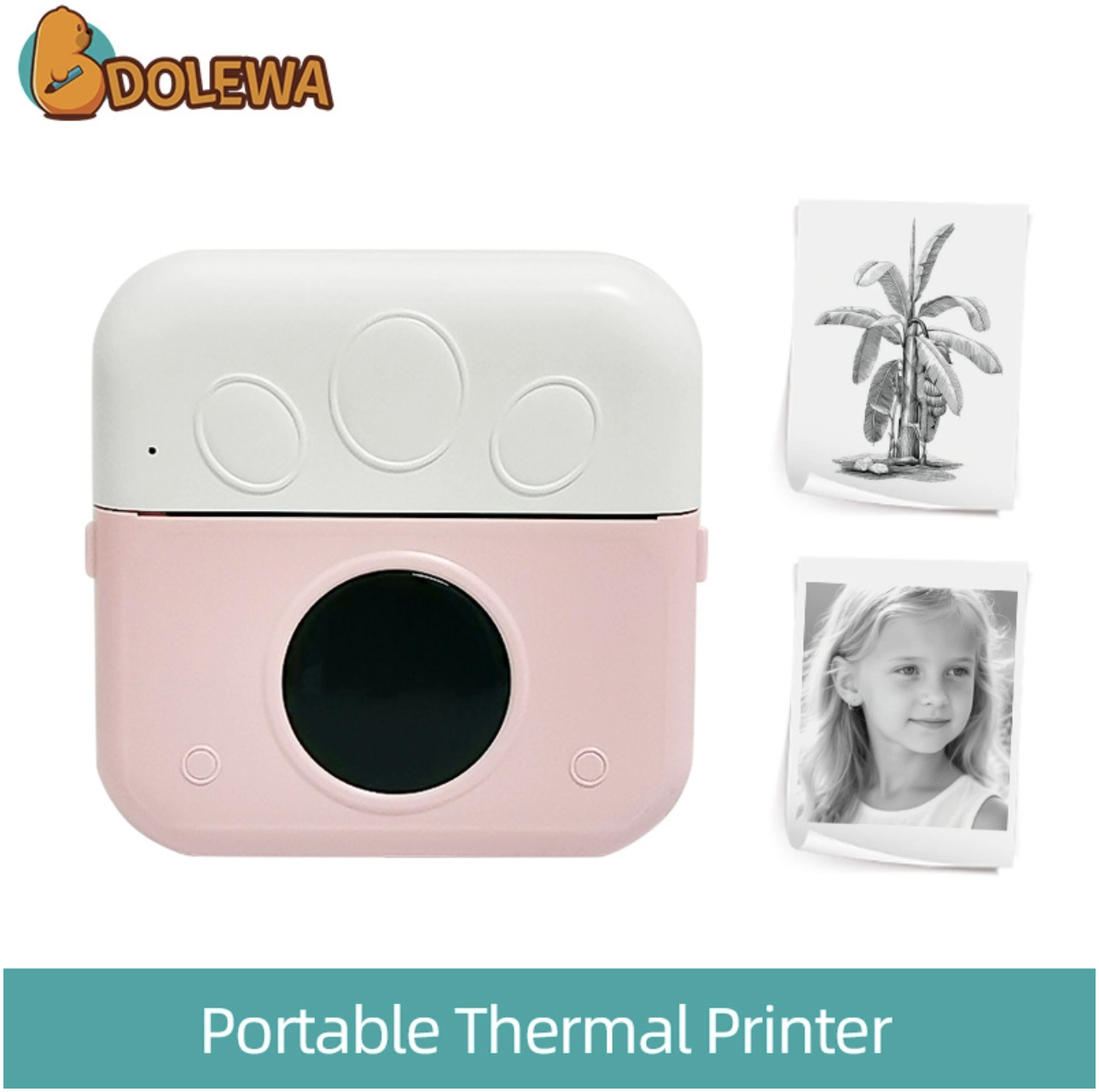
Thermal printing technology has become an essential tool in a variety of industries, ranging from logistics and retail to healthcare and manufacturing. Thermal printers are commonly used for printing labels, receipts, tickets, and barcodes. One of the key considerations when using thermal printing is understanding how long the prints will last, especially since durability is crucial for applications such as labeling, asset tracking, and product packaging.
Thermal prints have varying lifespans depending on factors like the type of thermal printing used, the materials involved, and environmental conditions. Understanding the longevity of thermal prints helps businesses choose the right materials and settings to ensure they are reliable for their intended use.
In this guide, we will dive into the factors that influence the lifespan of thermal prints, explore the different types of thermal printing, and provide useful insights into maximizing the durability of your prints. Whether you’re in the retail, logistics, or healthcare sector, knowing how long your thermal prints will last can help you make informed decisions.
What Are Thermal Prints?
How Long Do Thermal Prints Last?
Factors That Affect Thermal Print Durability
How to Maximize the Lifespan of Thermal Prints
Common Issues with Thermal Print Durability
Conclusion
Thermal prints are created using a process that involves applying heat to thermal paper or thermal transfer ribbons to create images or text. These prints are commonly used in applications such as barcode labeling, receipt printing, and product labeling due to their efficiency, cost-effectiveness, and high-speed printing capabilities.
In direct thermal printing, the printer uses a heated printhead to apply heat to heat-sensitive paper, creating an image directly on the paper. This type of printing does not require ink, toner, or ribbons, making it a simple and cost-effective solution.
Thermal transfer printing uses a heated printhead to melt ink from a ribbon and transfer it onto the print surface (such as paper or plastic). This method is known for producing more durable prints, as the ink is fused onto the surface, making it more resistant to fading.
The longevity of thermal prints depends on several factors, including the type of thermal printing used, the materials, and the environmental conditions in which the print is stored or exposed. In general, thermal prints can last anywhere from a few months to several years, depending on these variables.
Direct thermal prints are known to have a relatively shorter lifespan compared to thermal transfer prints. Typically, direct thermal prints last anywhere from a few months to 6 months, depending on environmental exposure such as light, heat, and humidity.
Direct thermal printing is often used for short-term applications, like receipts or shipping labels, where long-term durability is not as critical.
Thermal transfer prints, in contrast, are more durable due to the ink being transferred onto the print material. These prints can last for several years if stored properly, especially in stable conditions away from extreme temperatures and UV light.
For labels that require long-term durability, such as asset tags or product labels, thermal transfer printing is often the preferred choice due to its superior longevity.
Several factors can influence how long thermal prints last, including the type of printing method used, the paper or material used for printing, and environmental conditions. Let’s explore some of these key factors:
The type of paper or material used in thermal printing has a significant impact on the durability of the print. High-quality thermal paper or durable synthetic materials will provide better longevity. Low-quality or generic thermal paper may fade or degrade quickly, reducing the lifespan of the print.
For long-lasting labels or prints, it is important to choose high-grade materials designed for extended durability.
UV light is one of the most significant factors in the degradation of thermal prints, especially those produced using direct thermal printing. Prolonged exposure to sunlight or artificial UV light can cause thermal prints to fade or discolor over time.
UV-resistant coatings or labels with protective laminates can help protect prints from UV light and increase their lifespan.
Extreme temperatures and humidity can affect the quality of thermal prints. High heat and moisture can cause direct thermal prints to darken or become illegible, while thermal transfer prints may fade or peel away from the substrate if exposed to extreme conditions.
It’s essential to store prints in controlled environments that minimize exposure to temperature fluctuations, high humidity, and other adverse conditions.
Exposure to harsh chemicals, oils, or solvents can damage thermal prints, particularly those on paper. Direct thermal prints are especially vulnerable to damage from substances like alcohol, oils, or cleaners.
If your thermal prints will be exposed to harsh environments, protective coatings or materials that are resistant to chemicals may be necessary.
While the type of printing method and material play a significant role in print durability, there are additional steps you can take to maximize the lifespan of thermal prints. Here are some tips for ensuring that your prints last as long as possible:
Invest in high-quality thermal paper or materials designed for durability. Premium thermal paper is less likely to fade or degrade over time, especially when exposed to light or high temperatures.
Store your thermal prints in a cool, dry environment away from direct sunlight, high humidity, and extreme temperatures. This will help preserve the print’s clarity and prevent it from fading or discoloring prematurely.
For prints that will be exposed to harsh conditions, consider using protective laminates or coatings to shield the print from UV light, chemicals, and moisture. This will extend the lifespan of the print and ensure that it remains readable over time.
Avoid exposing thermal prints to chemicals such as solvents, oils, or cleaners. If your prints need to be exposed to such substances, consider using specialized materials that are resistant to chemical damage.
Thermal printing, while highly efficient and effective, does have some inherent durability challenges, particularly with direct thermal prints. Here are some of the most common issues and how to address them:
Direct thermal prints are especially prone to fading when exposed to UV light or high heat. This is a major concern for applications where longevity is important.
Solution: Use UV-resistant coatings or materials designed for durability, and store prints in cool, dark environments.
Thermal prints can become smudged or scratched, particularly if the print surface is not adequately protected.
Solution: Ensure proper handling of prints and consider laminating or applying protective coatings to prevent physical damage.
In some cases, thermal transfer prints may have issues with adhesion to certain surfaces, leading to peeling or fading over time.
Solution: Choose high-quality ribbons and materials designed for specific surfaces to ensure proper adhesion.
Thermal prints offer a reliable, cost-effective solution for a variety of applications, but their durability can vary depending on several factors. Whether you choose direct thermal or thermal transfer printing, it’s important to understand how long your prints will last and what factors can affect their longevity.
By considering the type of thermal printing, materials, and environmental conditions, businesses can make informed decisions to maximize the lifespan of their prints. Additionally, taking proper care in storage and handling can significantly improve the durability of thermal prints, ensuring that they remain clear, legible, and accurate for the intended duration.
Understanding how long thermal prints last, and how to extend their durability, can help businesses optimize their printing processes, reduce waste, and enhance the overall quality of their printed materials.


